

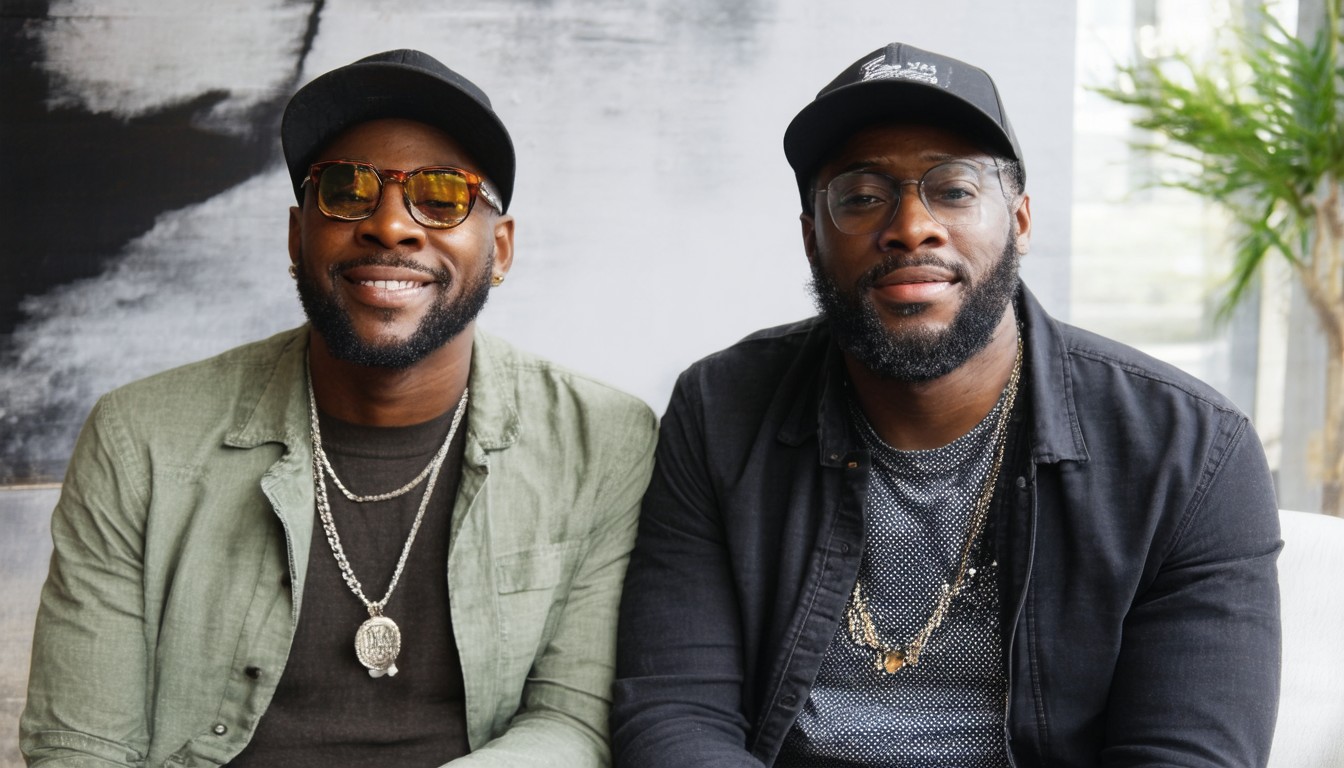
The saga of Meech and Terry is more than just a tale rooted in street legend—it’s a complex narrative of ambition, brotherhood, and the multifaceted impact of the Black Mafia Family (BMF) on American urban culture. Their story, filled with risk, reinvention, and the collision of criminal enterprise with pop culture, continues to fascinate historians, entertainment moguls, and the public alike. As the dramatization of their lives draws new viewers and cultural scrutiny, understanding Meech and Terry is essential to grappling with both their infamy and enduring influence.
Origins: From Detroit’s Streets to National Notoriety
Demetrius “Big Meech” Flenory and Terry “Southwest T” Flenory grew up in Detroit, a city marked by economic hardship and shifting urban realities in the late 1980s and early 1990s. Unlike many criminal organizations forged by outsiders, the Flenory brothers started young and drew in close friends and family, building a network deeply embedded within their local community. Their operation quickly expanded beyond Detroit, leveraging connections and innovation to set themselves apart.
Building the Black Mafia Family
The Flenory brothers masterminded the creation of BMF in the early 1990s. Under Meech’s charismatic leadership and Terry’s managerial skill, BMF developed into one of the nation’s most notorious drug trafficking and money laundering organizations. Their organization was unique for its cloak-and-dagger approach—retaining a lower profile than previous crime syndicates, even as its reach spanned Atlanta, Los Angeles, Miami, and other key cities.
Sophisticated Structure and Operations
BMF set industry precedents by applying corporate business models to underground enterprises. Unlike chaotic street gangs, BMF operated with executive hierarchies, strict codes of conduct, and sophisticated logistic chains. They reportedly generated hundreds of millions of dollars in revenue over the years.
“What distinguished BMF was their unprecedented organizational discipline and use of legitimate business fronts, making them a case study for both law enforcement and academics interested in criminal enterprises,” notes criminologist Dr. Richard Parker.
By the early 2000s, their luxurious lifestyle—punctuated by nightclub appearances, custom cars, and alliances with rising hip-hop stars—became both their calling card and undoing.
Cultural Impact: Hip-Hop, Nightlife, and Mainstream Crossover
Meech and Terry’s influence extended far beyond illicit activities. BMF became synonymous with the glittering rise of hip-hop in the 2000s, especially in Atlanta—where the label unofficially bankrolled emerging rappers and facilitated collaborations among artists, producers, and promoters.
The BMF and Hip-Hop Connection
BMF’s open patronage of hip-hop icons like Young Jeezy, Fabolous, and others cemented its cultural impact. Their hosting of high-profile parties and cameo appearances in music videos lent a sheen of authenticity and street credibility to the artists they associated with. This symbiosis blurred the lines between the music industry and organized crime in the minds of the public.
The Mainstreaming of the BMF Mythos
Hollywood eventually took note. Starz launched the series “BMF,” dramatizing Meech and Terry’s journey. The show garnered attention not only for its entertainment value but also for its nuanced exploration of family, loyalty, and the cost of ambition. The phenomenon reflects a growing appetite for dramatizations that probe the gray areas between criminality and the American Dream.
Law Enforcement Crackdown and Legal Ramifications
The Flenory brothers’ reign was brought to an abrupt halt in 2005, when both were arrested and charged under sweeping federal indictments. The U.S. Department of Justice characterized BMF as one of the most comprehensive drug trafficking organizations in the nation’s history.
Investigations and Downfall
Years of surveillance, wiretapping, and informants culminated in a nationwide operation involving multiple agencies. Authorities seized millions in assets—including cash, real estate, and luxury vehicles. Both Meech and Terry ultimately pleaded guilty to running a continuing criminal enterprise and received lengthy federal prison sentences.
Broader Legal and Social Impact
The prosecution of BMF sent a clear signal about law enforcement’s capacity to dismantle even the most sophisticated urban crime networks. The case is now cited in criminology courses for its complexity, involving asset forfeiture laws, RICO statutes, and interstate collaboration.
Legacy: Reevaluating Their Impact and the Lessons Learned
Today, the BMF narrative prompts debates about redemption, the structures that foster criminal empires, and the cultural dynamics of “street legend” status.
Changing Narratives and Second Acts
Terry Flenory was released in 2020 due to COVID-19 prison reform measures, while Demetrius remains incarcerated. Both have made public gestures toward legitimacy, seeking to use their notoriety for positive change, though opinions remain divided.
The BMF Blueprint in Pop Culture
Countless rap lyrics, documentaries, and podcasts continue to analyze and commemorate BMF. While some see Meech and Terry as anti-heroes, others focus on the devastation wrought by their enterprise. Debates persist over the “Robin Hood” mythos compared to the social damage inflicted by the drug trade.
“Meech and Terry’s story is not just one of crime and punishment, but a mirror for America’s fascination with outlaws and the porous boundaries between legality and celebrity.”
This observation, echoed across academic and journalistic circles, highlights how their story remains relevant—fueling discussions about systemic inequality and the allure of fast money.
Conclusion: Understanding Meech and Terry’s Dual Legacy
Meech and Terry stand as emblematic figures of an era, embodying both the aspirations and contradictions of modern urban America. Their journey from Detroit’s neighborhoods to national infamy—balancing daring ambition with the consequences of criminal life—offers lessons about the resilience, pitfalls, and powerful pulse of American street culture. As pop culture continues to reinterpret their impact, the importance of nuanced dialogue and historical context becomes ever more crucial.
FAQs
Who are Meech and Terry?
Meech (Demetrius Flenory) and Terry (Terry Flenory) are Detroit-born brothers who founded the Black Mafia Family, one of the most influential drug trafficking organizations in U.S. history.
What was the Black Mafia Family (BMF)?
BMF was a large-scale organization that combined drug distribution with legitimate business ventures, particularly in music entertainment, amassing significant wealth and influence in the 1990s and early 2000s.
How did BMF influence hip-hop culture?
By supporting emerging hip-hop artists and hosting high-profile events, BMF played a central role in shaping the careers of several artists and embedding itself in the fabric of hip-hop, especially in Atlanta.
What caused the downfall of Meech and Terry?
Extensive federal investigations—including surveillance and undercover operations—led to their arrest, asset seizures, and lengthy prison sentences in 2005.
Is their story fact or fiction in pop culture?
While many elements of their lives are dramatized in TV series and music, most adaptations are based on real events and testimony, though artistic liberties are common for narrative effect.
What is their legacy today?
Their legacy remains controversial—some view Meech and Terry as symbols of entrepreneurial drive in adverse conditions, while others see their story as a cautionary example of the far-reaching impact of organized crime.