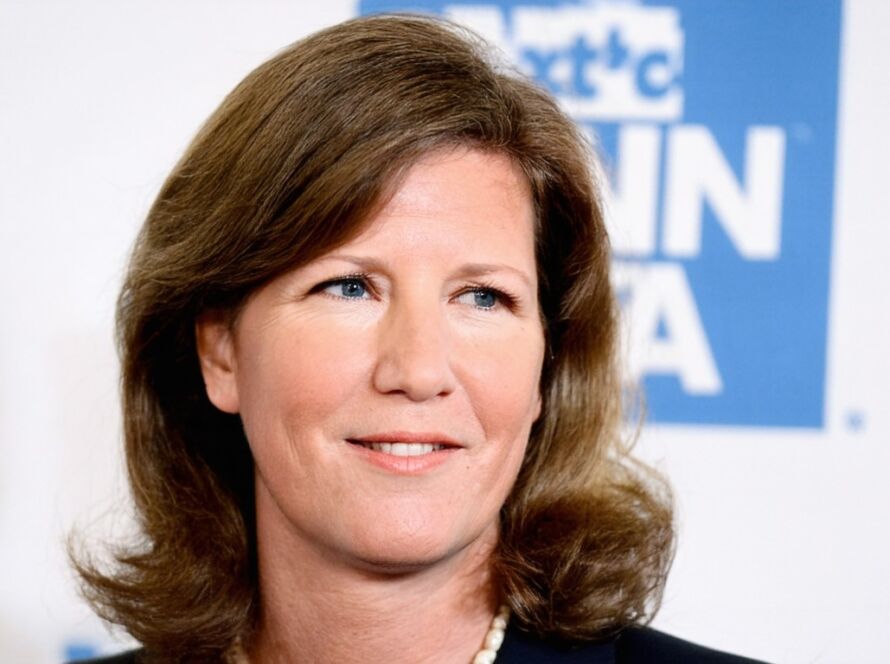


Best known as the “McDonald’s Heiress,” Joan Kroc transformed American philanthropy in ways that echoed far beyond her inherited wealth. Her journey from the Midwest to the apex of charitable giving showcases how personal conviction, compassion, and strategic generosity can alter communities, influence policy, and inspire future givers. As a businesswoman, humanitarian, and advocate for peace, Kroc blended private fortune with public purpose, leaving an indelible mark on sectors from the arts to social justice.
Early Life and Path to Philanthropy
Joan Mansfield entered the world in 1928 in St. Paul, Minnesota, shaped by the trials of the Great Depression and an ordinary middle-class upbringing. Her early passions in music and community service hinted at the empathy and creativity that would later define her charitable work.
Her life took a significant turn when she married Ray Kroc, the entrepreneur who would catapult McDonald’s into a global empire. Marrying into substantial wealth presented enormous choices—and challenges. Many inheritors quietly manage fortunes; Kroc, however, felt compelled to direct hers toward societal good.
The Influence of Adversity
Joan’s path was not without turbulence. She experienced personal loss and adversity, which deepened her commitment to helping others. A strong believer in direct engagement, she often visited organizations she supported, listening closely to the people these institutions served. These first-hand encounters shaped her giving philosophy: practical, human-centered, and responsive to urgent needs.
Major Philanthropic Initiatives
Joan Kroc approached giving with an eye toward transformative impact, not mere charity. Her most significant contributions shaped not just individual institutions but entire communities.
The Salvation Army Kroc Centers
Perhaps her most iconic legacy stems from a record-setting $1.5 billion bequest to The Salvation Army upon her passing in 2003. This endowment led to the creation of state-of-the-art Kroc Centers—community hubs offering everything from recreation and performing arts to social services and education.
“Joan Kroc forever changed community-based recreation and support,” noted one Salvation Army official. “Her vision was to create safe, uplifting places in every corner of the country, especially where need runs deep.”
Today, dozens of Kroc Centers across the United States provide access to resources previously unavailable in underserved neighborhoods, enabling youth development, health promotion, and community cohesion on an unprecedented scale.
San Diego’s Golden Legacy
A resident of San Diego, Kroc made a series of foundational gifts that reached far beyond the city’s borders. She funded the Joan B. Kroc Institute for Peace and Justice at the University of San Diego—an institute dedicated to conflict resolution, social justice, and international diplomacy. At the University of Notre Dame, she established the Kroc Institute for International Peace Studies, supporting sustainable peacebuilding efforts globally.
Kroc’s passion for nuclear disarmament translated into philanthropic advocacy. She also made headlines by funding local NPR stations with one of the largest gifts in public broadcasting history, ensuring the survival and expansion of independent journalism for years to come.
Philanthropy with Purpose: The Joan Kroc Approach
Unlike many high-visibility donors, Joan Kroc favored thoughtful, often anonymous giving. She combined large-scale gifts with hands-on activism, aiming not only to treat the symptoms of social problems but also to address their deeper causes.
Principles and Practice
Kroc’s giving displayed several notable characteristics:
- Direct Impact: She preferred organizations with clear, actionable missions and transparent use of funds.
- Sustainability: Many of her bequests incorporated endowments to ensure their long-term viability, a contrast to one-time grants.
- Empowerment: Rather than imposing strict conditions, she empowered recipient organizations and communities to design programs meeting their specific needs.
- Courage to Lead: Joan was an early champion of controversial causes—such as AIDS support or nuclear disarmament—that lacked mainstream philanthropic attention at the time.
Setting a New Standard for Wealth and Responsibility
At a time when the American philanthropic sector was evolving, Joan Kroc’s model blended the professionalism of organized giving with sincere empathy. She understood her unique leverage as the McDonald’s heiress but insisted on staying directly involved—visiting facilities, speaking with beneficiaries, and sometimes even working shifts alongside Salvation Army staff.
The Broader Impact: Inspiring a New Generation
Joan Kroc’s approach has become a case study for modern philanthropists. Her legacy is visible in the robust focus on outcomes now common in effective altruism and in the rise of so-called “giving while living,” where donors choose to invest the bulk of their fortune during their lifetimes rather than via posthumous bequests.
Organizations inspired by her vision have replicated aspects of the Kroc Center model—multipurpose, regional community facilities focused on long-term self-sufficiency rather than short-term aid. Moreover, the scale of her gifts encouraged other wealthy Americans to reevaluate the potential of strategic giving.
Personal Life and Public Perception
Despite her extraordinary achievements, Joan Kroc remained a private, even enigmatic, figure. She avoided publicity, preferring her donations speak for themselves. Even after making headline-grabbing gifts, she was rarely seen seeking recognition or awards.
Through decades of both personal and public upheaval—including the challenges of becoming widely known as the “McDonald’s widow”—Kroc maintained her focus on quiet advocacy. Friends and observers note that she held tightly to her values, resisting the temptations of celebrity philanthropy and keeping her mission close to home.
The Lasting Lesson: Philanthropy with Heart and Strategy
Joan Kroc’s life offers a blueprint for ethical wealth. She demonstrated that meaningful giving is not about the size of a fortune, but the courage, intentionality, and respect with which it is dispensed. Her philanthropic legacy—spanning education, peace, social justice, and local empowerment—remains foundational in American civil society.
Conclusion: Joan Kroc’s Enduring Influence
Joan Kroc’s legacy animates countless programs, centers, and opportunities nationwide. Her distinctive blend of vision, humility, and hands-on engagement set a new gold standard for American philanthropy. For those grappling with the ethical use of wealth, her story underscores the enduring power of compassion paired with thoughtful strategy.
FAQs
How did Joan Kroc acquire her wealth?
Joan Kroc inherited her fortune through her marriage to Ray Kroc, the founder of the McDonald’s Corporation, which grew into one of the world’s most recognized and profitable fast-food franchises.
What was Joan Kroc’s largest philanthropic gift?
Her largest single bequest was a $1.5 billion gift to The Salvation Army, the largest in the charity’s history, which established Kroc Centers across the United States.
Which major causes did Joan Kroc support?
Kroc directed her philanthropy toward a range of causes including peace and conflict resolution, education, public health, nuclear disarmament, and strengthening local communities through the arts and social services.
Why is Joan Kroc important in the history of philanthropy?
She is celebrated for combining large-scale giving with humility, innovation, and a focus on long-term sustainable impact, influencing a new generation of philanthropists.
Did Joan Kroc prefer public or anonymous giving?
While many of her gifts became widely known, Kroc often preferred to remain out of the spotlight and made countless donations anonymously throughout her life.
What is the lasting legacy of the Salvation Army Kroc Centers?
The Kroc Centers provide comprehensive resources—ranging from youth programs to social services—in underserved areas, serving as models for community-driven impact nationwide.