

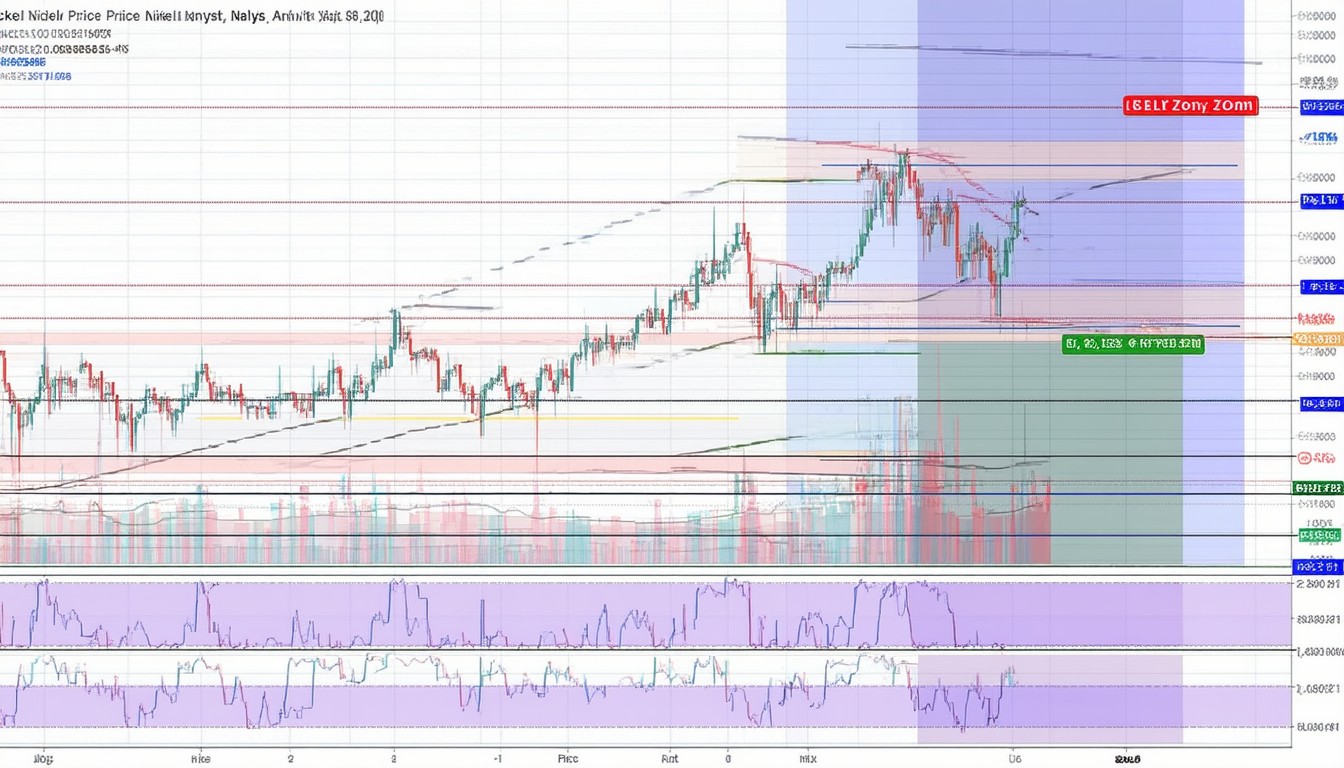
Nickel is a cornerstone element in the modern industrial landscape, fundamental to products ranging from stainless steel to the batteries powering electric vehicles (EVs). As the global push for decarbonization accelerates, understanding the price dynamics behind nickel has never been more critical for investors, manufacturers, and policymakers alike. On fintechzoom.com, tracking nickel price analysis offers insight not only into commodity trends, but also emerging technologies, supply chain risk, and strategic growth opportunities across sectors.
The Economic Significance of Nickel
Strategic Role in Global Industries
Nickel’s exceptional properties — resistance to corrosion and ability to withstand extreme temperatures — justify its widespread use across key industries:
- Stainless Steel: Accounts for over two-thirds of nickel demand, used in architecture, construction, and household goods.
- Electric Vehicle Batteries: The pivot to high-nickel chemistries, especially in lithium-ion batteries, is fueling increased demand as automakers scale up production.
- Electronics and Special Alloys: Components in smartphones, renewable energy systems, and aerospace rely on nickel-rich materials for performance and longevity.
Setting the Stage: Price Volatility
Global events frequently send ripples through nickel markets. For example, the 2022 turmoil after Russia’s invasion of Ukraine — with Russia as a major nickel exporter — sent prices spiking and forced commodity exchanges to suspend trading. Since then, prices have displayed both resilience and vulnerability, reflecting ongoing market tension.
“Nickel’s fundamental role in the green energy transition is amplifying price volatility and shaping investment behavior globally,” says a senior analyst at a leading commodities research firm.
Drivers of Nickel Price Fluctuations
Demand-Side Dynamics
Electric Vehicles and Battery Revolution
The proliferation of EVs has sparked unprecedented demand for high-purity nickel. Automakers like Tesla and Volkswagen have forged direct partnerships or investments in nickel projects, seeking to secure future supply. According to battery industry sources, demand for class 1 nickel — the purity required for battery cathodes — is anticipated to see double-digit annual growth through the decade.
Infrastructure and Industrial Usage
Beyond EVs, traditional sectors such as construction and transportation remain vital. Stainless steel continues to underpin a “baseline” of nickel demand, cushioning the commodity from sudden downturns in specific markets.
Supply-Side Pressures
Geographic Concentration
Nickel production is geographically concentrated. Indonesia, the Philippines, and Russia lead global output. Any political unrest, policy shift, or logistical challenge in these countries can disrupt global supply, as seen in recent years with export bans and trade sanctions.
ESG and Sustainability Factors
Increasing focus on sustainability complicates supply expansion. Large mining projects now face tighter scrutiny around environmental, social, and governance (ESG) benchmarks. Fines, delays, or even community opposition can put upward pressure on prices.
Speculative Activity and Exchange Interventions
Nickel markets, specifically on the London Metal Exchange (LME), have seen growing speculative trading. The “short squeeze” in 2022 demonstrated how leveraged positions and low inventories could magnify price swings, leading to exceptional, sometimes anomalous, price activity.
2024 Nickel Price Trends: Data and Patterns
Spot Prices and Historical Context
At the start of 2024, nickel prices settled back from previous highs, reflecting both the normalization of supply post-2022 and evolving demand forecasts. Nevertheless, prices remain well above pre-pandemic averages. Many analysts note that despite the recent cooling, long-term upward fundamentals persist, particularly from the EV sector and renewable energy adoption.
Inventory Levels and Market Balance
Inventories tracked by the LME and Shanghai Futures Exchange remain historically low, a red flag for potential supply shocks. Yet, simultaneous reports of overcapacity in certain nickel products, especially lower-grade outputs, introduce a complex picture.
Regional Price Differentials
While LME prices serve as a global benchmark, domestic prices in key producing nations sometimes diverge due to export quotas, tariffs, or currency fluctuations. Indonesia’s export ban on nickel ore, for example, has boosted value-added local processing but also altered global trade flows.
Forecast: Scenarios for Nickel Prices
Bullish Factors
- Accelerated EV Adoption: If the pace of EV uptake exceeds expectations, demand for class 1 nickel could outstrip supply, driving prices higher.
- Supply Disruptions: Political instability or stricter environmental regulations in major producers could lead to shortages and rapid price spikes.
- Persistent Low Inventories: As long as exchange inventories stay below historic averages, even minor disruptions could have outsized price effects.
Bearish Factors
- Technological Substitution: Battery technology evolving away from nickel-intensive chemistries (such as LFP batteries) could temper demand.
- Capacity Overbuild: If Indonesia and others bring additional refining capacity online more quickly than demand grows, oversupply could pressure prices downward.
- Global Economic Softening: A slowdown in industrial production, particularly in China, could suppress stainless steel demand and weaken the nickel market.
Analytical Consensus
Most forecasts, while varied, cluster around a long-term gradual price increase. Investment bank research teams routinely project steady growth into the late 2020s, citing electrification and infrastructure investment. However, pronounced short-term volatility is likely as the market navigates the crosscurrents of supply risk and technological change.
Strategic Implications for Stakeholders
Investors and Traders
The high volatility in nickel markets underscores the need for robust risk management. Derivative contracts, ETF exposures, and direct equity stakes in mining companies are tools increasingly deployed by sophisticated investors seeking to capture upside or hedge against swings.
Manufacturers and End Users
For battery and automotive giants, “resource nationalism” among top producers means long-term supply agreements and direct investment in mining projects are becoming commonplace. Diversifying supply chains and engaging in sustainable sourcing are top priorities.
Policymakers
Governments recognize nickel as a strategic resource. Accommodating sustainable mining development while fostering industry innovation is a delicate balancing act. National stockpiles and alliances are mechanisms under consideration to safeguard domestic industries against future shocks.
Conclusion: Nickel’s Central Role in the Green Economy
Nickel’s price outlook hinges on its pivotal function in clean energy and transportation. While the metal’s markets are prone to sharp fluctuations, the secular trend driven by global decarbonization remains clear. For businesses, investors, and governments, proactive strategies centered on supply security, technological innovation, and sustainability will be crucial to navigating the road ahead.
FAQs
What factors most influence nickel prices today?
The primary factors are rapid growth in electric vehicle battery production, supply concentration in Indonesia and the Philippines, and ongoing global economic trends. Additionally, speculative trading and low warehouse inventories can significantly affect short-term price movements.
How does nickel supply chain risk affect manufacturers?
Manufacturers, especially in the EV and stainless-steel sectors, face potential disruptions from export bans, logistics issues, or sustainability restrictions in key producing regions. This has led many firms to invest directly in mining or secure long-term sourcing contracts.
Are current nickel prices sustainable in the long term?
While short-term volatility is expected, long-term trends point to steady price increases due to growing demand for batteries and infrastructure. If supply keeps pace with demand and technology shifts, major price spikes may be tempered.
Could battery technology shifts reduce future nickel demand?
Yes, advances toward lower-nickel or nickel-free battery chemistries—such as lithium iron phosphate (LFP) cells—could reduce the metal’s role in the EV sector. However, high-performance models will likely still rely on nickel-rich batteries for the foreseeable future.
Why do analysts watch nickel inventories closely?
Low inventory levels, especially in key exchanges like the LME, amplify the market’s sensitivity to disruptions. Even minor supply issues can cause sharp price swings if inventories are not sufficient to cushion demand.
How should investors approach nickel-related opportunities?
Investors should balance exposure between commodity spot prices, mining equities, and downstream technology players while keeping abreast of geopolitical and sustainability developments. Diversification and risk management strategies are essential due to market volatility.