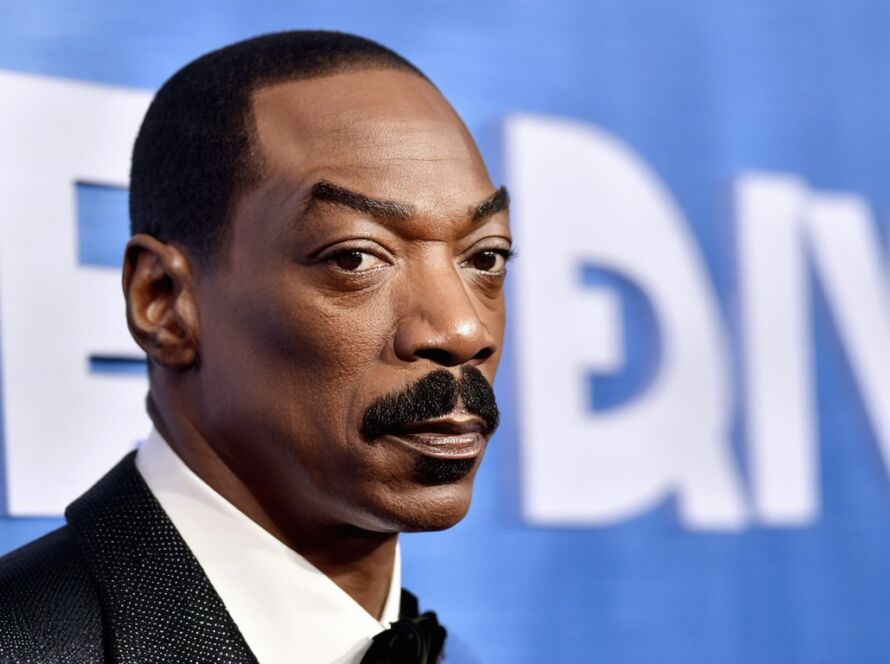


Stephen Kay is a multifaceted figure in the entertainment industry, known for his robust career as a director, screenwriter, and actor. Throughout several decades, Kay’s work has bridged both film and network television, contributing to critically respected projects and genre-defining episodes. His adaptability and creative vision have allowed him to collaborate with major studios and streaming platforms, making his name synonymous with quality, versatility, and innovation.
Few behind-the-scenes artists amass both a diverse portfolio and sustained influence across platforms as Kay has. From cult classics in the thriller space to acclaimed episodes for cable dramas, Stephen Kay’s presence has become a distinguishing asset for studios seeking both storytelling flair and production discipline.
Early Life and Entry into the Entertainment Industry
Born in New Zealand and raised in the United States, Stephen Kay’s diverse upbringing shaped his storytelling instincts and approach to character-driven narratives. Early exposure to performance and theater in his youth transitioned into formal studies and, soon, practical industry work. This international perspective later fueled his nuanced direction and approach to cross-cultural motifs in both film and television.
Kay began his career as an actor, making early appearances on network television. These initial roles informed his understanding of the actor’s process—skills he leveraged in guiding performances behind the camera. By the early 1990s, his ambitions pivoted toward directing, which quickly became his primary focus.
Directorial Style and Professional Reputation
Emphasis on Character, Pacing, and Grit
Known for his moody visual style and deft handling of suspense, Kay has developed a reputation as a director who can extract compelling performances from his cast. His direction often emphasizes subtlety over spectacle, foregrounding nuanced emotional beats within high-stakes narratives. Colleagues and critics frequently highlight his skill at maintaining tension and balancing character moments with plot propulsion.
“A director like Kay brings out emotional truths in genre storytelling, elevating the work beyond formula,” said one industry executive reflecting on his work in serialized drama.
Collaborative Leadership in the Writers’ Room and On Set
Producers and co-writers describe Kay as a thoughtful collaborator, valued for his ability to synthesize diverse viewpoints into coherent visual storytelling. On set, his leadership is marked by clear communication and trust in the creative team, qualities which are increasingly valued in the often fast-paced environments of TV drama and premium cable productions.
In practice, this collaborative approach has drawn actors, writers, and camera professionals to return for multiple projects, building a network of trusted creatives around his directorial vision.
Career Highlights: Signature Projects and Milestones
Breakthrough with Independent Cinema
Kay’s early directing work includes the indie thriller “The Last Time I Committed Suicide” (1997), which explored the life of Beat Generation poet Neal Cassady. The film, starring Thomas Jane and Keanu Reeves, received recognition for its stylistic flourishes and ambitious storytelling within a limited budget—a hallmark of many directors who cut their teeth in independent cinema. Its offbeat energy foreshadowed Kay’s later skill at adapting true stories and literary inspirations for the screen.
Television Success: From Procedurals to Prestige Dramas
After establishing himself in film, Stephen Kay transitioned to television, contributing to an array of acclaimed dramas and genre series, particularly during the golden age of cable TV. His resume includes directing episodes of:
- “The Shield” (FX), a gritty police drama known for its raw depiction of urban crime.
- “Sons of Anarchy” (FX), where Kay directed pivotal episodes, shaping key narrative turns and character arcs.
- “Friday Night Lights” (NBC), celebrated for its authentic portrayal of small-town America and youth culture.
Kay was also instrumental in the visual and tonal development of “Yellowstone” (Paramount Network), now regarded as one of the most successful cable dramas of the modern era. His work with showrunner Taylor Sheridan helped establish the series’ Western noir sensibility and complex family dynamics.
Bridging Genres: Action, Drama, and Suspense
Whether working in supernatural thrillers like “Quantico” or crime procedurals such as “Covert Affairs”, Kay’s genre versatility stands out. He has directed everything from pilot episodes—setting the creative template for future seasons—to series finales, tasked with delivering emotional culmination and payoff. This breadth reflects his enduring relevance as networks and streaming platforms increasingly rely on adaptable storytellers who can work across genres and formats.
Notable Works: A Closer Look
“The Last Time I Committed Suicide” (1997)
This independent film marked a pivotal moment in Kay’s directing career. Its stylized exploration of literary history and countercultural themes set a tone for Kay’s later explorations of flawed, complex protagonists—a recurring motif in his work.
“Get Carter” (2000)
A Hollywood action remake starring Sylvester Stallone, “Get Carter” showcased Kay’s ability to work at scale, managing large set pieces and high-profile talent. Though the film received mixed reviews, it marked a significant commercial effort and demonstrated Kay’s comfort navigating studio systems.
“Sons of Anarchy” and “Yellowstone”
Kay’s collaboration with Kurt Sutter (on “Sons of Anarchy”) and Taylor Sheridan (on “Yellowstone”) underscores his contribution to two of cable’s signature dramas. These partnerships cemented his reputation for delivering both tension-filled action and authentic character moments.
Contribution to Female-Led Dramas
With projects like “Quantico,” Kay has participated in shaping series centered on complex female leads and diverse ensemble casts. His episodes often highlight character agency and emotional depth, resonating with evolving audience expectations around representation.
Influence, Industry Trends, and Enduring Impact
Shaping Modern Television Storytelling
Stephen Kay’s career arc mirrors broader trends in the industry: the rise of prestigious episodic TV, the blending of cinematic and television techniques, and an increasing premium on character-driven long-form storytelling. His ongoing work on hits like “Yellowstone” positions him at the heart of cable TV’s creative evolution.
Mentorship and Community Building
Beyond screen credits, Kay is recognized for his investment in nurturing talent, from young writers to up-and-coming directors. Industry reports note that directors with such mentorship philosophies help foster sustainable careers while raising the baseline quality of episodic storytelling.
“Lasting impact comes not just from personal achievements, but from elevating those around you—something Stephen Kay is known for in the business,” one producer said at a recent industry roundtable.
Conclusion: Stephen Kay’s Enduring Resonance
Stephen Kay’s work exemplifies a hybrid filmmaker—blending indie sensibility with network polish, and actor’s empathy with directorial discipline. His filmography traces major trends in how stories are told on both the silver and small screen, emphasizing character, tension, and craft. As studios and audiences alike continue to seek out adaptable, visionary storytellers, Kay’s career offers a model for creative longevity. Looking ahead, his ongoing influence speaks to both the evolving demands and enduring power of thoughtful storytelling.
FAQs
Who is Stephen Kay?
Stephen Kay is a film and television director, screenwriter, and actor, known for his work on projects like “The Last Time I Committed Suicide,” “Get Carter,” “Sons of Anarchy,” and “Yellowstone.”
What genres does Stephen Kay work in?
Kay has demonstrated versatility across drama, action, thriller, and crime genres, both in film and television.
What is Stephen Kay’s most well-known work?
He is highly recognized for his direction of episodes in “Sons of Anarchy” and “Yellowstone,” two critically acclaimed cable dramas.
How did Stephen Kay begin his career?
He started as an actor in smaller TV roles before moving into directing, first in independent film and later in television.
What sets Stephen Kay apart as a director?
Kay’s strengths lie in his character-driven approach, ability to build suspense, and collaborative leadership style, all of which have garnered him respect across the industry.
Is Stephen Kay involved in mentoring other industry professionals?
Yes, he is noted for fostering community and mentoring young writers and directors, contributing to the broader creative landscape.