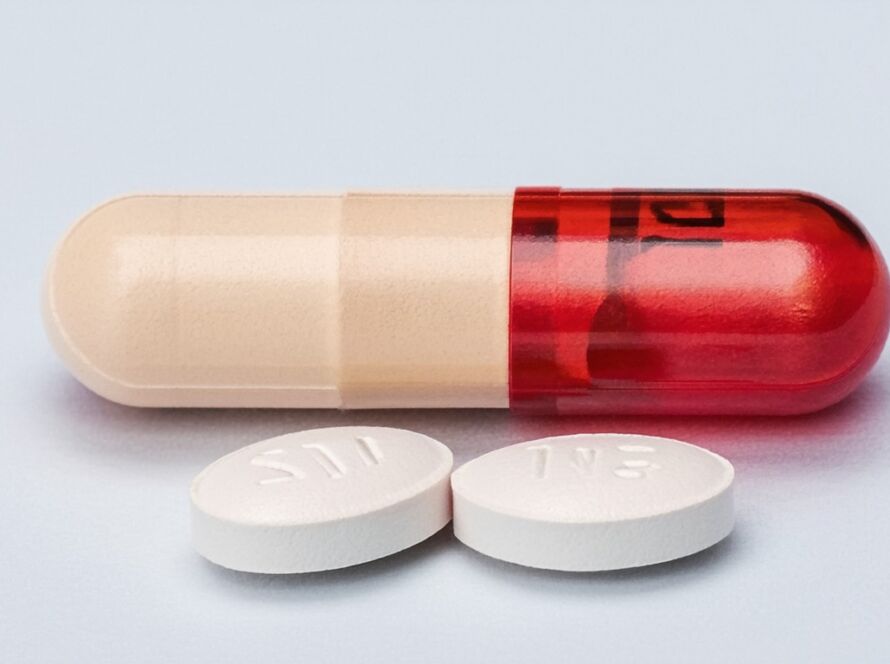


Low dose naltrexone (LDN) has quickly emerged from its origins as an opioid antagonist into a compelling treatment option for various chronic conditions, including autoimmune diseases, chronic pain syndromes, and fibromyalgia. Unlike its FDA-approved use at 50mg for opioid or alcohol dependence, LDN is typically prescribed “off-label” at 1.5–4.5mg daily, harnessing its unique anti-inflammatory and immune-modulating properties.
With growing interest and adoption, one critical question consistently arises: what should patients avoid when taking low dose naltrexone to ensure safety and therapeutic efficacy? Although LDN has a strong safety record, certain interactions and habits can dampen its effectiveness or introduce unwanted side effects. Knowing these pitfalls is crucial for anyone considering or currently taking this innovative therapy.
Opioid Medications: The Definitive Contraindication
Why Naltrexone Blocks Opioids
The most important and widely recognized interaction with naltrexone, regardless of dose, is with opioids. Naltrexone’s action as a pure opioid receptor antagonist means that it binds to opioid receptors in the brain, effectively blocking the effects of both prescription opioid medications and illicit opioids such as heroin.
Practical Implications and Risks
Taking LDN while using painkillers like hydrocodone, oxycodone, morphine, or codeine can lead to two problems. First, naltrexone will likely render these medications ineffective, meaning pain relief will be markedly reduced or absent. Second, attempting to “override” naltrexone with higher doses of opioids can dangerously increase the risk of overdose.
“The absolute contraindication for LDN is concurrent opioid use—it’s essential to discontinue all opioid medications well before starting naltrexone, usually for at least 7–10 days,” emphasizes Dr. Michael Smith, a clinical pharmacologist at a major teaching hospital.
Some patients on LDN have required emergency interventions after inadvertently receiving opioids (for surgery or acute injury), highlighting the real-world risks of this specific interaction.
Interactions With Other Medications and Supplements
Medications That May Diminish Benefits
Beyond opioids, LDN’s interactions with most common medications are relatively benign, but certain exceptions exist:
- Immunosuppressants (like prednisone, methotrexate, or biologics): Because LDN may stimulate aspects of the immune response, theoretical concerns exist about combining it with strong immunosuppressive therapies. While data are limited, many practitioners recommend monitoring and shared decision-making when dual therapies are necessary.
- Thioridazine: LDN’s manufacturer recommends avoiding concomitant use with this antipsychotic medication due to theoretical pharmacological interactions, though it is rarely prescribed now.
Supplements and Natural Products
Unlike many pharmaceuticals, LDN does not have widespread documented issues with herbal supplements or vitamins. However, some practitioners urge caution with immune-boosting supplements, as layering multiple immune modulators may lead to unpredictable effects.
Anecdotal patient reports—such as increased fatigue or headaches when using LDN alongside certain adaptogenic herbs or hormone supplements—suggest individualized monitoring is best.
Alcohol and LDN: What the Evidence Shows
Direct Interactions
Naltrexone’s role in alcohol use disorder (AUD) management rests on its ability to reduce the rewarding effects of alcohol. At traditional doses, naltrexone helps curb cravings and reduce relapse. At low doses, these effects may be less direct, but naltrexone still occupies the same receptors.
For individuals using LDN for conditions unrelated to alcoholism, occasional moderate alcohol consumption appears to cause no significant adverse interactions based on the available literature. However, excessive drinking could undermine therapeutic gains or provoke unwanted side effects such as nausea or mood changes.
Patient Perspectives
Some patients report increased sensitivity to alcohol, such as feeling intoxicated more quickly or experiencing harsher hangovers. These varied experiences underscore the need for patients to exercise caution and discuss any concerns with their healthcare provider.
When to Take LDN: Timing, Food, and Routine Habits
Food and Timing Considerations
LDN’s absorption does not appear significantly impacted by meals. In clinical practice, most patients are advised to take LDN at bedtime, leveraging its tendency to promote endorphin release during sleep cycles. That said, some patients experience vivid dreams or insomnia when dosing at night; for these individuals, a morning routine may be preferable.
Common Daily Substances
- Caffeine: No major interactions exist; however, combining LDN with high caffeine intake may increase the risk of headaches or jitteriness in some users.
- Nicotine and Cannabis: No formal interactions have been documented, but psychoactive substances may alter the subjective experience of LDN or mask certain side effects.
Side Effects and What to Do About Them
Recognizing Early Side Effects
While serious side effects with low dose naltrexone are rare, some users report:
- GI upset (nausea, cramps)
- Sleep disturbances (insomnia, vivid dreams)
- Headaches or dizziness
These usually diminish within several days to a few weeks as the body adjusts. Monitoring for more severe reactions—such as allergic symptoms, mood swings, or unusual pain—is still recommended.
Strategies to Minimize Side Effects
Simple strategies, such as titrating dosage upwards gradually (e.g., starting at 1.5mg and increasing over several weeks), taking with a light snack, and avoiding new supplements during the first month, can help reduce early discomfort.
Real-World Experiences: Navigating Rare but Important Interactions
LDN in Autoimmune Disease and Chronic Pain
Many patients with multiple autoimmune or chronic pain diagnoses take a complicated regimen of prescription medications, supplements, and lifestyle aids. In these cases, open communication with a healthcare provider is critical. For example, a patient with rheumatoid arthritis starting LDN while on methotrexate should be closely monitored for both efficacy and immune-related symptoms.
Pharmacy Compounding and Quality Variation
Because LDN is not commercially available in low-dose formulations, it is typically compounded at specialty pharmacies. Patients should avoid inconsistent sources—such as ordering from unvetted online pharmacies—as poorly compounded LDN may deliver inconsistent dosing or introduce contaminants. Verifying pharmacy credentials and reviewing compounding practices is an essential safety measure.
A Quick Reference Checklist: What to Avoid on LDN
- Opioid pain medications (codeine, hydrocodone, oxycodone, morphine, fentanyl, tramadol)
- Over-the-counter opioid-based cough or anti-diarrheal medications
- Combining multiple immune-modulating drugs without provider guidance
- Starting new supplements or herbs with potential immune effects without discussion
- Inconsistent or questionable compounded naltrexone sources
- Dramatic increases in alcohol intake
Remaining vigilant about these potential pitfalls can help patients maximize the benefits of low dose naltrexone while minimizing avoidable risks.
Conclusion: The Key to Safe, Effective LDN Use
Low dose naltrexone offers tangible benefits for a growing number of conditions, but optimizing its safety and effectiveness takes informed decision-making. The most crucial factors are avoiding all opioid drugs, maintaining transparency with healthcare providers regarding medication or supplement changes, and sourcing naltrexone from reliable compounding pharmacies. While most other interactions and risks are minor, a cautious approach—especially during the first months of therapy—pays long-term dividends. As always, shared decision-making and proactive communication are the foundation of LDN’s safe use.
FAQs
What medications absolutely should not be taken with low dose naltrexone?
You should avoid all opioid-containing medications—including common painkillers and certain cough suppressants—while on low dose naltrexone, as the drug will block or reverse their effects and can lead to dangerous withdrawal or overdose situations.
Can I drink alcohol while taking low dose naltrexone?
While moderate alcohol consumption is unlikely to cause severe problems, you may notice an altered response to alcohol, such as reduced pleasure or increased side effects. It’s best to discuss drinking habits with your healthcare provider for individualized advice.
Do common supplements or vitamins interact with low dose naltrexone?
Most standard supplements and vitamins pose little risk, but immune-stimulant herbs or supplements should be used with caution. Introducing any new supplement is best done after consulting your healthcare provider.
What should I do if I need surgery or emergency pain relief?
Notify your surgical and medical team that you are taking naltrexone, as they must avoid using opioids for pain relief. You may need to stop LDN several days in advance to allow opioid medications to be effective after surgery.
Are there food or drink restrictions with low dose naltrexone?
No specific foods or beverages must be avoided when on low dose naltrexone. However, taking the medication at a consistent time and monitoring any unusual reactions is generally recommended.
How do I ensure my low dose naltrexone is safe and effective?
Always use a reputable compounding pharmacy and maintain close communication with your clinician regarding all medication and supplement changes. This approach helps guarantee safety and optimal therapeutic outcomes.